
Gray Areas
Gray Areas
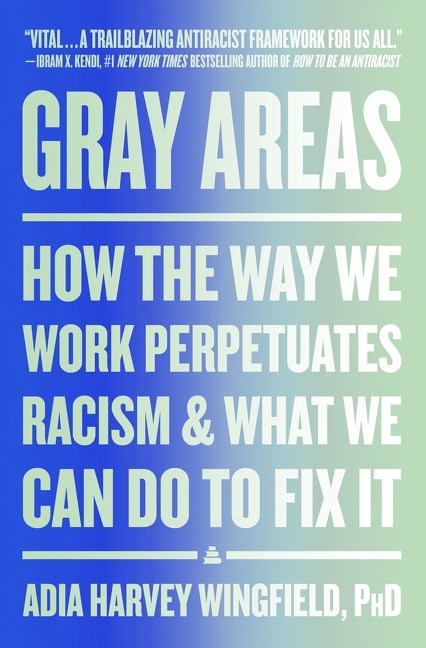
Gray Areas: How the Way We Work Perpetuates Racism and What We Can Do to Fix It
by Adia Harvey Wingfield
A leading sociologist reveals why racial inequality persists in the workplace despite today’s multi-billion-dollar diversity industry—and provides actionable solutions for creating a truly equitable, multiracial future.
“A groundbreaking book, both bold in its premise and precise in its exploration of systemic racism in the workplace. This could not be a more urgent and necessary blueprint for progress.”—Bakari Sellers, New York Times bestselling author of My Vanishing Country
“Provides a trailblazing antiracist framework for us all.”—Ibram X. Kendi, #1 New York Times bestselling author of How to Be an Antiracist
Why do black employees still struggle at work despite today’s multibillion dollar diversity industry? And how can we help them thrive?
For decades, key aspects of work—from getting a job to workplace norms to mobility—ignored and failed Black people. While organizations make pledges to honor “diversity,” inequities persist through what leading sociologist Adia Harvey Wingfield calls the gray areas: the relationships, networks, and cultural dynamics that are now more important than ever. The reality? Black employees are less likely to be hired, stall out at middle levels, and rarely progress to senior leadership positions. Plain and simple, we are failing our Black colleagues—but we don’t have to be.
In this accessible and important antiracist work, Wingfield draws on more than a decade of research into race and labor to reveal why racial inequality at work persists and where we can improve. Wingfield blends history, impactful testimonies, and surprising data that show how our models of work no longer work.
Along with her revelatory analysis, she equips readers with the tools they need to effect change, proposing key solutions like rethinking hiring practices, centering Black employee experience, and pathways for moving capable Black candidates into leadership roles.
Offering actionable checklists for those who can effect change—from DEI practitioners to HR directors to managers and colleagues eager to show their support—Gray Areas provides a roadmap to the equitable future we all deserve.
Couldn't load pickup availability
Share